Blog

Home / Blog
Tags:
Tags:
Laminitis In Equines – Probable Causes And How To Recognize
If you horse has been showing difficulty walking or resistance to moving, it’s time to worry. One of the most common locomotor diseases in equines is laminitis, an inflammation of the hoof blades, structures that connect the horn case to the third phalanx. Understand mor about the condition, learn about the main clinical signs and see how to identify it. What is laminitis? Laminitis is a very common locomotor disease in adult horses. This disease is characterized by an inflammation of the hoof blades, structures that connect the horn case to the third phalanx, causing a lot of pain to the affected horses. What are the clinical signs of laminitis?   The first sign a horse gives when it has laminitis is a reluctance to move. Due to the extreme pain in the sole in the region of the toe, the tendency is to lean on the heels. So, when the hooves of the forelimbs are affected, it’s common for him to shift the weight to the hind limbs. In cases where all four legs a...
Horse Breeding – How to Ensure Your Equine’s Health and Well-Being?
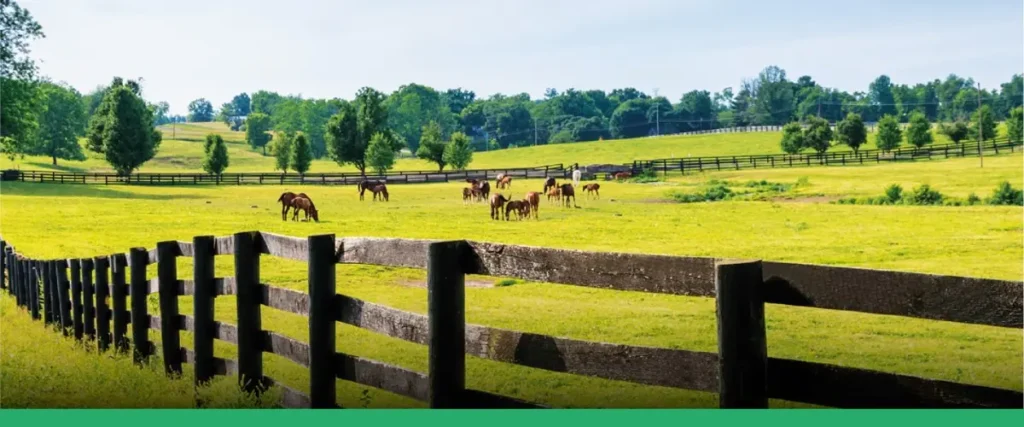
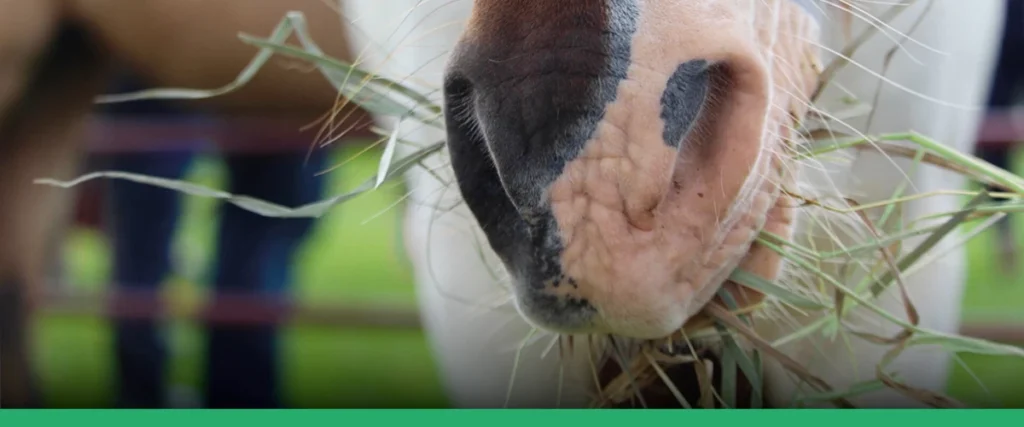
Several common situations in the routine of horses can create challenges to health maintenance. Climatie changes, transport, pregnancy, in addition to infectious or traumatic diseases, for example, challenge homeostasis, that is, balance of the animal’s organism. Thus, it is essential to always evaluate the physical conditions of the animals to adapt the care and ensure the health and well-being of the horses. In order to help you identify possible problems, we have gathered here some good practices to improve their management. Check out! Horse breeding: 4 aspects to ensure animal welfare To do a basic equine welfare mapping, four main dimensions of horse breeding should be looked at: Food Management Hygiene Facilities Next, understand better what are the ideal conditions in each one of these dimensions and see how they relate each other. Food Naturally, horses consume small amounts of food several times a day – they spend 10 to 16 hours grazing, w...
Horse healing ointment – How to treat horse wounds?
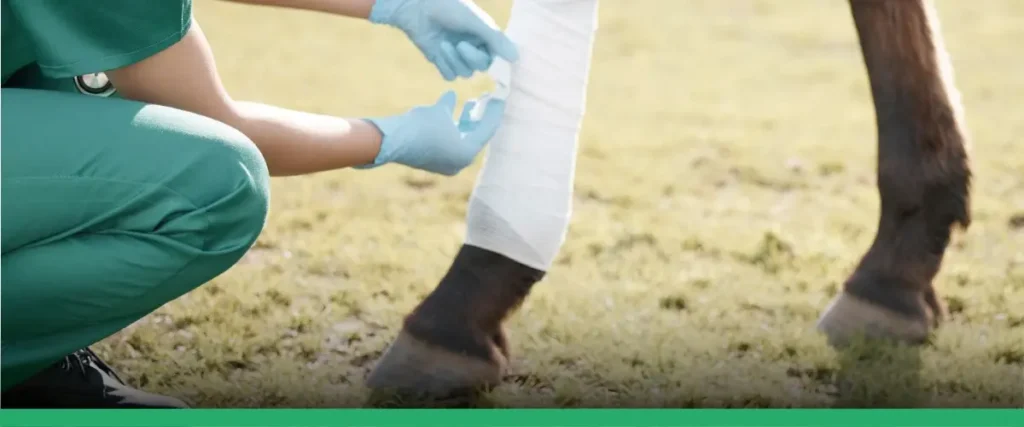
Skin wounds are frequent in horses, whatever their stage of life. Its implications for athletic horses are even greater. According to a study carried out with the purebred English breed, 7% of the injuries that lead to the early retirement of these animals are associated with injuries. Therefore, it is importan to know how to take care of these cases, using, for example, a healing ointment for horses, in addition to other solutions. In this article, see how to care for equine wounds! Types of wounds in horses Wounds in horses can be the result of surgery, trauma (such as “bruises”, the effect of poor saddle fit; or a kick), neoplastic processes (such as sarcoids, melanomas and squamous cell carcinomas) and fungal infection (ptiosis) or parasitic (habronemosis). The degree of difficulty in treating these wounds involves several factors, such as: The location and extent of the wound: mobility and irrigation of the horse’s body area interfere with the healing process...
Supplement for your horse to gain muscle mass
Do you want to increase your champion’s performance and are in doubt about which is the best supplement for him to gain muscle mass? In this article you will find some supplementation tips to improve your teammate’s performance. Keep reading! Why invest in a supplement for your horse to gain muscle mass? A large amount of muscle and a low volume of body fat are relacted to high performance in sports competitions. Horses with this ratio need less effort to move their bodies, which gives them a performance advantage. How to increase muscle mass in a horse? First of all, it is necessary to know that many factors influence muscle mass gain in equines. The first of these is the animal’s genetics, but it is not the only one. Horse breeding, especially aspects related to its handling and the intensity of the activities it performs, is fundamental. In addition, endocrine and dental conditions also interfere with this issue, since the horse may stop eating due to toothaches. ...
Hoof trimming in horses: how to do it and necessary care!
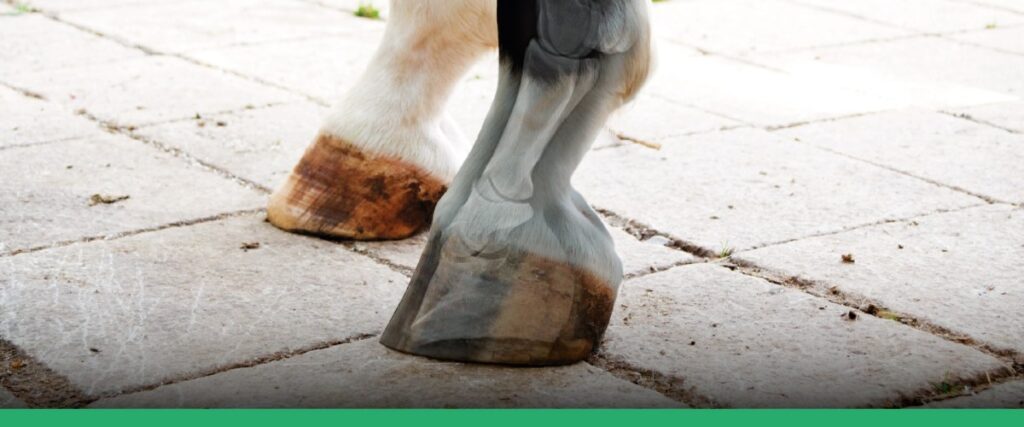
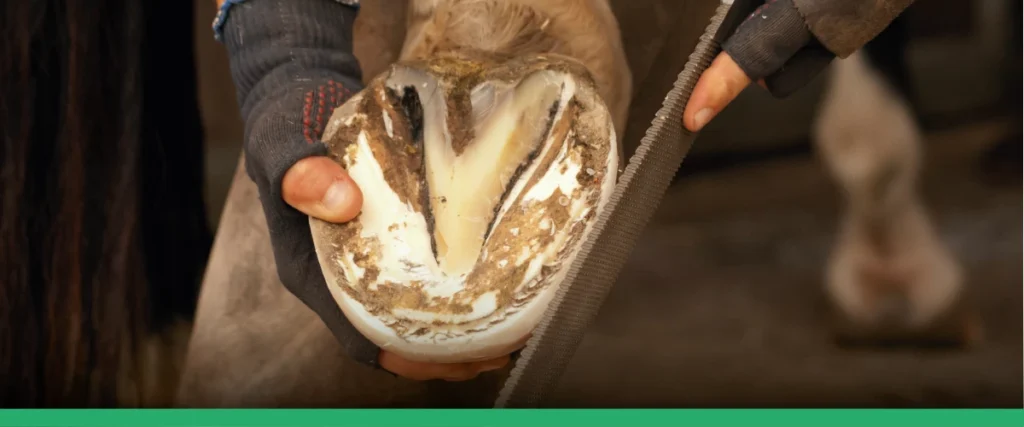
We know that there are necessary and specific care with equines and one of them is the hoof trimming. But do you know the importance, the main care and how this procedure works? The horse’s hoof is nothing more than their base of support, directly interfering with their health, balance, uprightness, and locomotion. That’s exactly the reason why the hoof trimming is so important! Among the main function of the hoof are: Support the animal weight Absorb impact Against the ground when walking, trotting, or galloping Decrease the wear on other structures Assist in propulsion Act as a hydraulic pump for blood return from the extremity of the limb. Find out more about hoof trimming with Vetnil. Follow up! What is trimming? The horse, like any other equine, has a base support on the ground, ensuring that its body weight is well distributed, which, in ideal conditions, makes the horse position all four limbs vertically to the ground, ensu...
When to use probiotics for dogs and cats? Know the benefits!
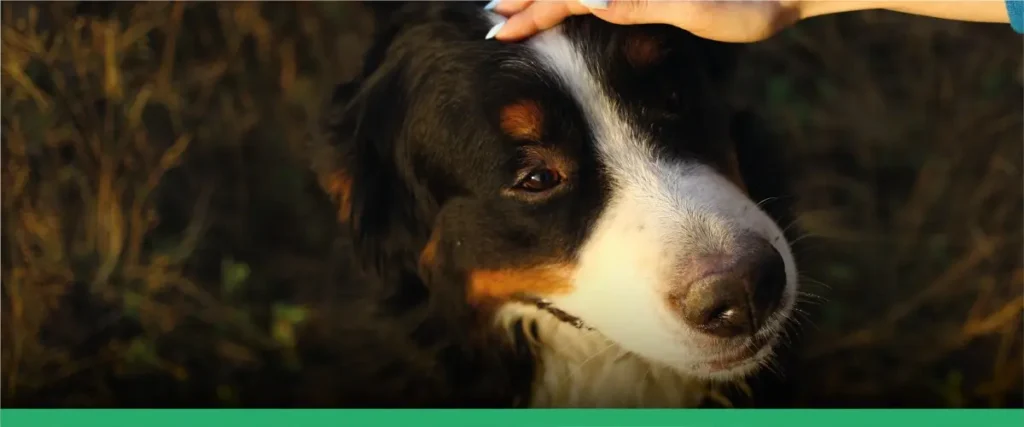
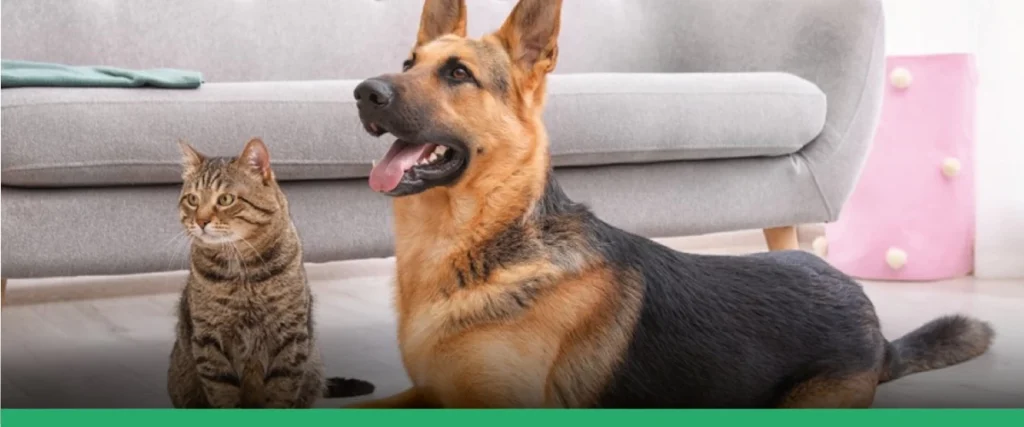
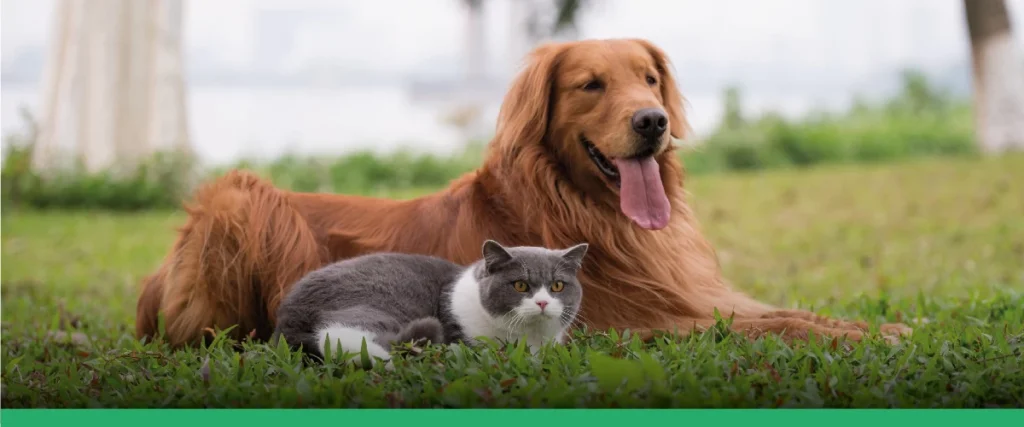
Have you heard of probiotics for dogs and cats? They are not well known by most animal tutors, but they can be great allies for the well-being and healthy life of your pet. Just like us humans, pets also have an intestinal microbiota with a set of beneficial bacteria that are extremely important for health. These bacteria have the function of protecting the digestive system, assisting in the digestion and absorption of nutrients, synthesizing vitamins, and other components, as well as providing more energy! Do you want to understand in which situations there is an indication of the use of probiotics for dogs and cats and the benefits involved? Then follow the text! After all, what are probiotics? Probiotics for dogs and cats are live microorganisms that are extremely important for the health of the pet, as they assist the digestive tract, helping to restore intestinal balance and stimulating healthier digestion. Basically, they are formulated fro...
Equine nutrition: Care with the feeding of athlete horses
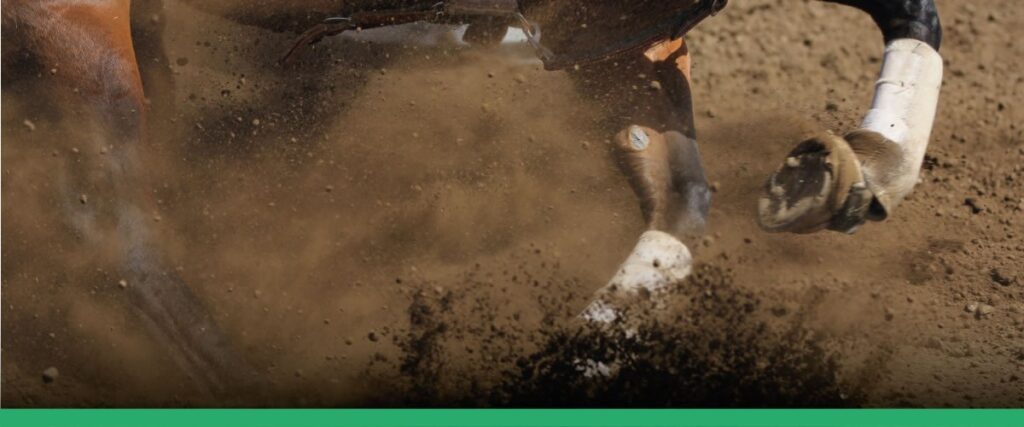
Our athlete horses, the heroes of the tracks, require some special care on preparation for the competitions period. Nutrition, training, rest, and continuous monitoring with the veterinarian are some examples. And today, let’s talk about the nutrition cares of athlete horses! When a nutrition program is established, it is necessary to seek balance, which involves variables such as weight, age, type and intensity of physical effort, in addition to the availability of nutrients presents present in each food. For an athlete horse to perform its work better and have a more efficient athletic performance, its food, its training methods, and adequate supplementation are essential pillars in the routine. Let’s talk about diet? Follow the content produced by @vetnilequinosoficial. What should be offered? Regardless of the type of sport, the basis of the diet is always the same. What changes is the amount of nutrients and the choice of supplements that we should include in...
How to give a pill to dogs and cats: tips to not stress your pet!
The secret is to take it easy, be firm and take advantage of market options to medicate your pet Taking care of a sick pet is not easy, but surely one of the most difficult tasks in this situation is medication time. Many tutors have doubts about how to give the pet pill. Thinking about it, Vetnil® decided to share the step by step of this task and some tips that can make it easer when medicating your dog or cat. How to give a pill to your pet? The truth is that there is no secret when it comes to giving pills to your pet. The best way to do this is to put the medicine in the animal’s mouth and make sure it will swallow the medicine. However, we know that some pets can get stressed at the time of medication and end up hurting their tutors, which requires speed, calm and assertiveness from the person handling the animal, especially if its size is larger. To ensure the safety of the tutor and the correct medication of your pet...
Dewormer For Pets – When Is It Time To Administer?
Is your dog old? Know how to identify and know 5 essential cares
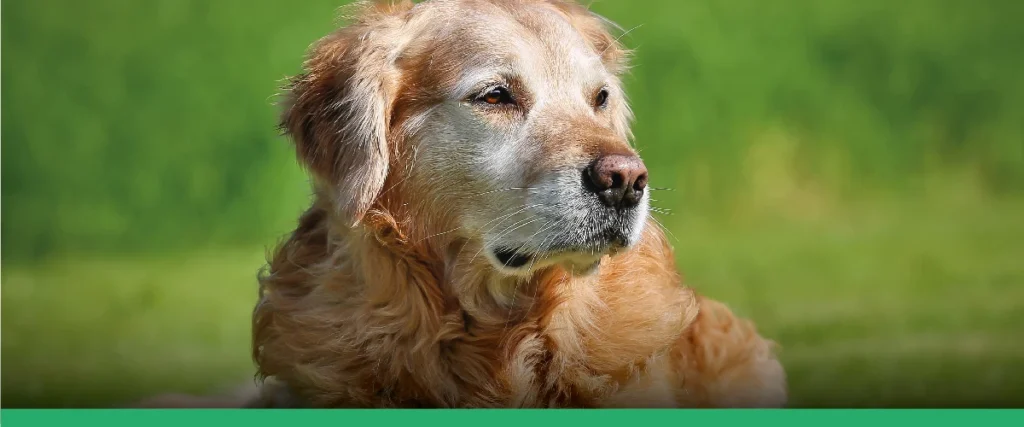
Care for an elderly dog range from special food to adapting physical exercises Over the years our senior dogs stop behaving the same way they did when they were younger. Some problems may start to arise and trips to the vet’s office should become more frequent. Several signs indicate that the animal is aging and you, as a tutor, are concerned about providing your pet with quality of life. But this is also new to you and the concerns are many, aren’t they? How do I know if my dog is old? What should I pay attention to? What changes in care? How can I ensure that my pet lives this phase with a better quality of life? We understand your concern and, therefore, Vetnil® has prepared some care tips for your elderly dog. Check out! Is my dog old? Before start thinking about what care we should take to ensure quality of life for elderly animals, it is necessary to pay attention to the signs of aging. How do I know if my dog is old? Th...

Sign up to receive news from

Name*
Phone*
CPF*
Birthday*
Select your profile*
CRMV*
CRMV State*
CRMV*
CRMV State*
Educational Institution*
Expected completion*
Subject of interest*

If you already have a registration, enter your email below!

E-mail *

Bem-vindo a Vetnil®
Usamos cookies para melhorar sua experiência.

Nós guardamos informações técnicas e analíticas do seu acesso e navegação em nosso site.