Hydraulic cardboard: what is it and what is it for?
Hydraulic cardboard is one of the raw materials for making gaskets. industrial seal. It is material, as well as the graphite e PTFE expanded, is classified as soft because it has high compressibility compared to metallic and semi-metallic gaskets.
It is present both in pressureless applications, as seal of bearing housing, as for pressure seals, such as the casings of large multi-stage pumps or medium pressure piping.
Check below for more information about this material.
Hydraulic cardboard: what it is and how it is done
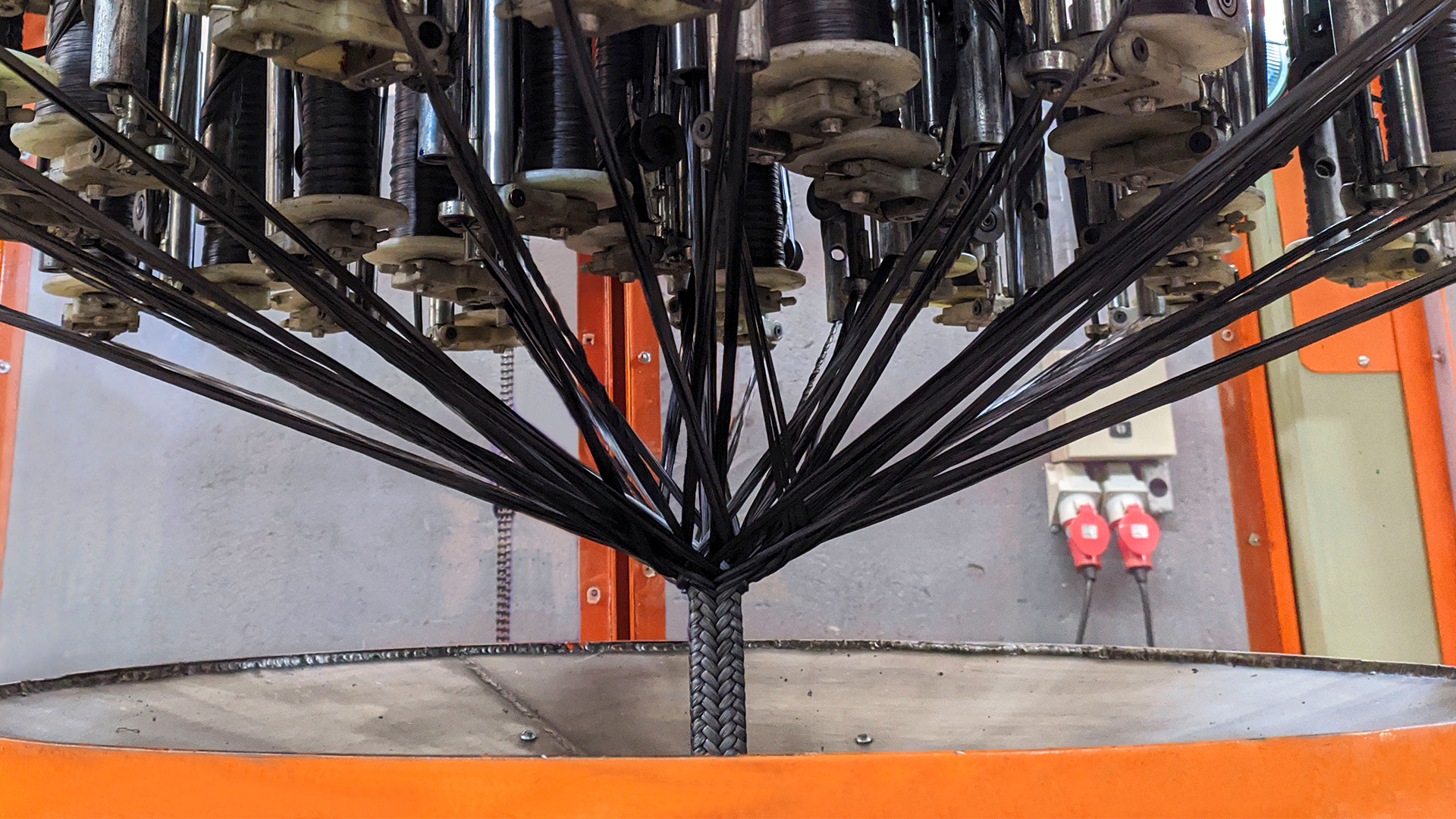
 O hydraulic cardboard is made up of different elements. The main ones are organic fibers (cellulose, aramid, carbon, etc.), the inorganic ones (mineral, glass, metal etc.) and elastomers (NR, SBR, NBR or CSM). Their combination gives physical and chemical characteristics to sealing joints..
From the fiber mixture, elastomers and other materials, a viscous mass is produced which, in turn, goes through the hot calendering process that will define thickness, width and length, in addition to checking the characteristics of the material.
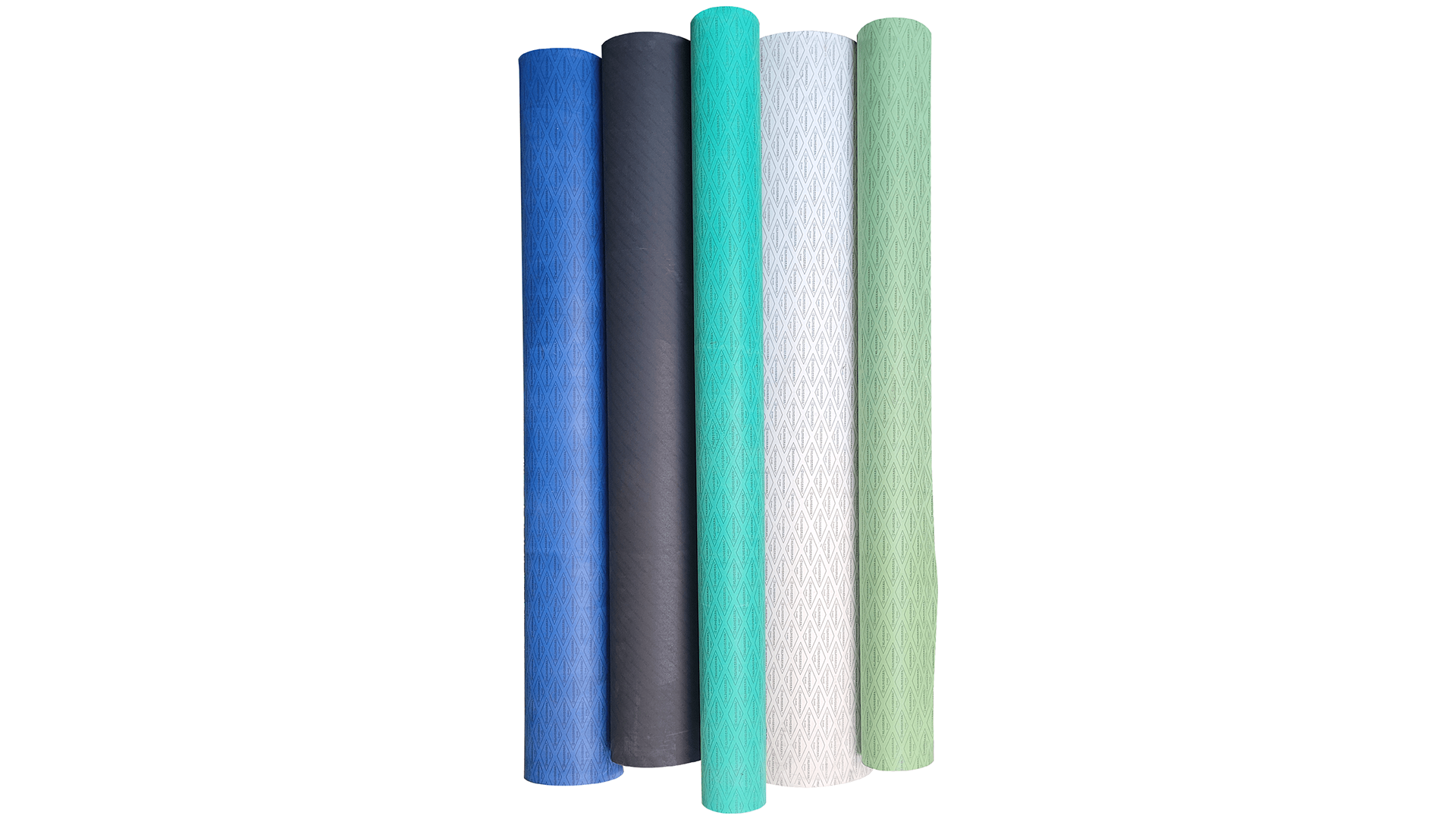
In this process, the elastomer-rich mass is vulcanized, forming a firm, dense sheet. This is how hydraulic cardboard appears.
Hydraulic cardboard components
For the hydraulic cardboard to be effective in the sealing function, the effectiveness of each of its components is essential. They are:
 Organic or inorganic fibers → They are responsible for the mechanical and thermal resistance of the hydraulic cardboard model. Check out the main fibers:
- Aramid: provides resistance to hydraulic cardboard.
- Graphite/carbon: used to increase resistance, temperature or improve non-stick properties.
- Cellulose: applied in low critical conditions or in processes with a short period of operation / hydrostatic tests.
Elastomers → They have the function of providing elasticity and chemical resistance to the material. Check it out:
- NR: It's natural rubber. It provides high resilience and effective adhesion to metals.
- SBR: made from styrene butadiene, this is, undoubtedly, the most widespread synthetic rubber in the world. Provides better abrasion resistance than natural rubber (NR), as well as at high temperatures (100ºC) and aging.
- NBR: Nitrile rubber belongs to a special class that is resistant to oil. It is a copolymer of butadiene and acrylonitrile. Due to its price, NBR is used in applications that require good resistance to oil and/or gasoline swelling, heat aging and abrasion, in addition to compatibility with mechanical properties and dynamic fatigue.
Its extinct relationship with asbestos
Also known as asbestos fiber, asbestos is composed of a mineral that impresses with its flexibility, high resistance to temperature and chemical attacks, durability and sealing quality.
As it is a low-cost raw material, its use in construction works and industries has expanded over the years. Due to these properties, asbestos was one of the main components of hydraulic cardboard.
Nonetheless, numerous records of asbestos contamination, that developed into serious illnesses (like cancer) and deaths, were spreading around the world, what caused its ban or restricted use in several countries.
Not Brazil, since November 2017, a commercialization and use of the material are prohibited.
Like this, Hydraulic cardboard producers were forced to find other components that were not harmful to health and that could replace asbestos, but which have the same properties.
Which hydraulic cardboard is the most suitable?
Em industrial processes, It is not uncommon for these to occur leaks between the junctions of pipes present in production lines and equipment in general. This problem results in interruption of service for maintenance, delays in deliveries and also the serious risk of accidents at work.
Other relevant leak factors are environmental contamination and loss of fluids., which are often raw materials or even the final product of an industry.
Misfortunes like these occur due to different situations, How to Ignore Good Sealing Practices, the end of the useful life of materials and the use of an inappropriate product in incorrect application.
To mitigate these problems, Some aspects must be considered when selecting the sealing material:
Type of equipment → To know which type of hydraulic cardboard should be applied, It is necessary to identify the equipment, because each one has the type of sealing material suitable for its application.
Fluid → Corrosion and other chemical reactions occur when there is no compatibility between the elements present in the system, Therefore, knowing which fluid will pass through the seal is an essential factor when choosing the material. For each type of fluid, whether liquid or gaseous, Is there a suitable type of seal.
Temperature → Paying attention to the temperature at which the fluid is operating is essential, since the hydraulic cardboard must support it. The choice of material must match the thermal elevation of the fluid.
Pressure → The higher the fluid pressure, the greater the possibility of joint ejection. Therefore, it is essential that the application of hydraulic cardboard takes into account the fluid pressure.
Flanged union → The gasket can have a long service life by checking the following items:
- Flange: in fragile flange applications (vitrified, with very thin wall, or fiberglass reinforced plastic), the torque limit that the element has must be considered.
- Screws / braces / prisoners, nuts and washers: in general, What guarantees a good seal are the gaskets and those responsible for maintaining compression of one flange against the other. That's why, It is important to regularly change these elements, as they are subject to great mechanical stress. Its material type and level are important in determining the torque with which the joint will be installed..
Most used gaskets in industry
The materials that make up hydraulic cardboard can differentiate it, creating softer joints. The most used in the industry are:
C-4201: made with aramid fiber and NBR rubber. It is suitable for general applications with moderate temperatures and pressures. Oil compatible, solvent, water, low temperature steam and other chemicals in general.
C-4430: hydraulic cardboard composed of fiberglass with NBR rubber. This material has universal use with high performance and excellent load retention. Water resistant, vapor, oils, gases, saline solutions, fuels, alcohols, organic and inorganic moderate acids, hydrocarbons, lubricants and coolants. It is indicated for use with these substances.
C-4500: High performance sealing material designed for the chemical industry. It is made with carbon fiber and NBR rubber.
C-8200: hydraulic cardboard made with fiberglass and Hypalon rubber. It has excellent performance for use in acidic environments, being an alternative to PTFE seals. Resistant to a wide range of acidic fluids.
In addition to hydraulic cardboard
Just like hydraulic cardboard, there is a wide range of sealing materials for industrial use. Here at our website, you have access to different types, application sites and also information on how to apply them in your industry and the sealing sector.
Aqui na KLINGER Brazil, We work with different types of materials hydraulic cardboard, that correspond to the application your industry needs.
You can consult them on our website or contact us for more information about this and other products.