Discover the main sealing materials used in the industry
Os sealing materials are indispensable components in various industry sectors, since are responsible for preventing fluid leakage between sections of piping and equipment.
In industry, The success of production directly depends on the correct functioning of all elements, and sealing materials are a fundamental part of this process.
Check out the main types and how to choose the most suitable one in this article..
Types of sealing materials
Sealing efficiency is directly linked to the quality of the material, its suitability and application. That's why, There is a type of material for every need.
Hydraulic Cardboard → They are fiber-based composite materials, elastomers and additives, whose main function is the manufacture of sealing gaskets applied in various industrial segments. These seals are used in processes with low to medium temperatures and pressures.. The soft gaskets most used in industry are:
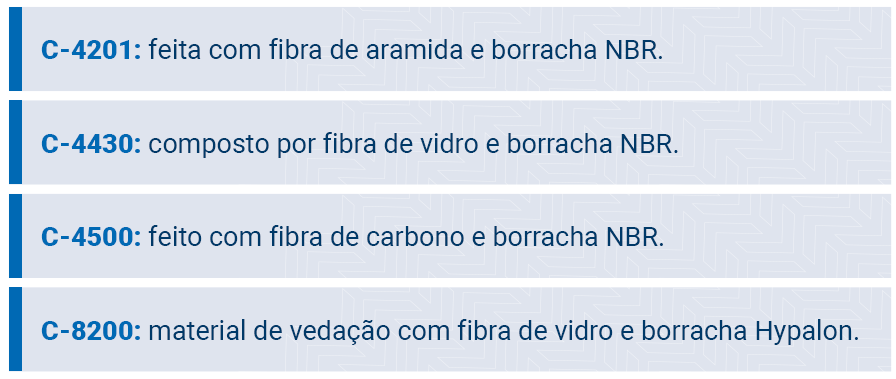
PTFE → Polytetrafluoroethylene is a synthetic fluorinated polymer that has several applications. Presented in the variables of virgin PTFE, loaded and expanded, This type of material can be used in the manufacture of gaskets for application in practically all industrial segments.
The types of PTFE most used in industry are:
- Produce: chemically inert and produced from virgin PTFE 100% expanded, this sealing material is compatible with all chemicals (except fluorine and molten alkali metals), It presents excellent cost-benefit for applications in aggressive products and is ideal for reducing items in stock. Exclusive for industrial use.
Graphite → High resistance to acids, alkaline solutions and organic compounds make graphite a suitable material for manufacturing sealing materials. It is used in the manufacture of laminates and gaskets that, due to their high purity index they are suitable for applications with temperature fluctuations and are resistant to a wide range of chemicals.
- PSM graphite laminate: is composed of graphite with a high degree of purity and expanded metal sheet. This sheet provides excellent sealing with high mechanical resistance at high temperatures and pressures.. Due to its high quality, It is used in a wide range of industrial applications, including steam, Hot water, thermal oil and hydrocarbons.
Metal joints → Precision machined metal rings designed for API 6B flanges, ASME B16.5 e API 6BX (depending on the joint style). This sealing material is often used in offshore applications, and some models can be adapted for underwater installation. RTJ rings are widely used in industry.
- RTJ Rings: are designed for use in high pressure applications and can be manufactured from various materials to suit the process medium and flange materials.
Semimetallic → combine the strength of metal with the compliance of soft sealing materials, like PTFE, graphite and mica. This type of joint is intended for application with pressure and temperature from moderate to high and is usable in all branches of industry.
- Spiro-metallic: Spiral joints have the property of following movements in the flanges caused by temperature variations, pressure, flange rotation and stud relaxation.
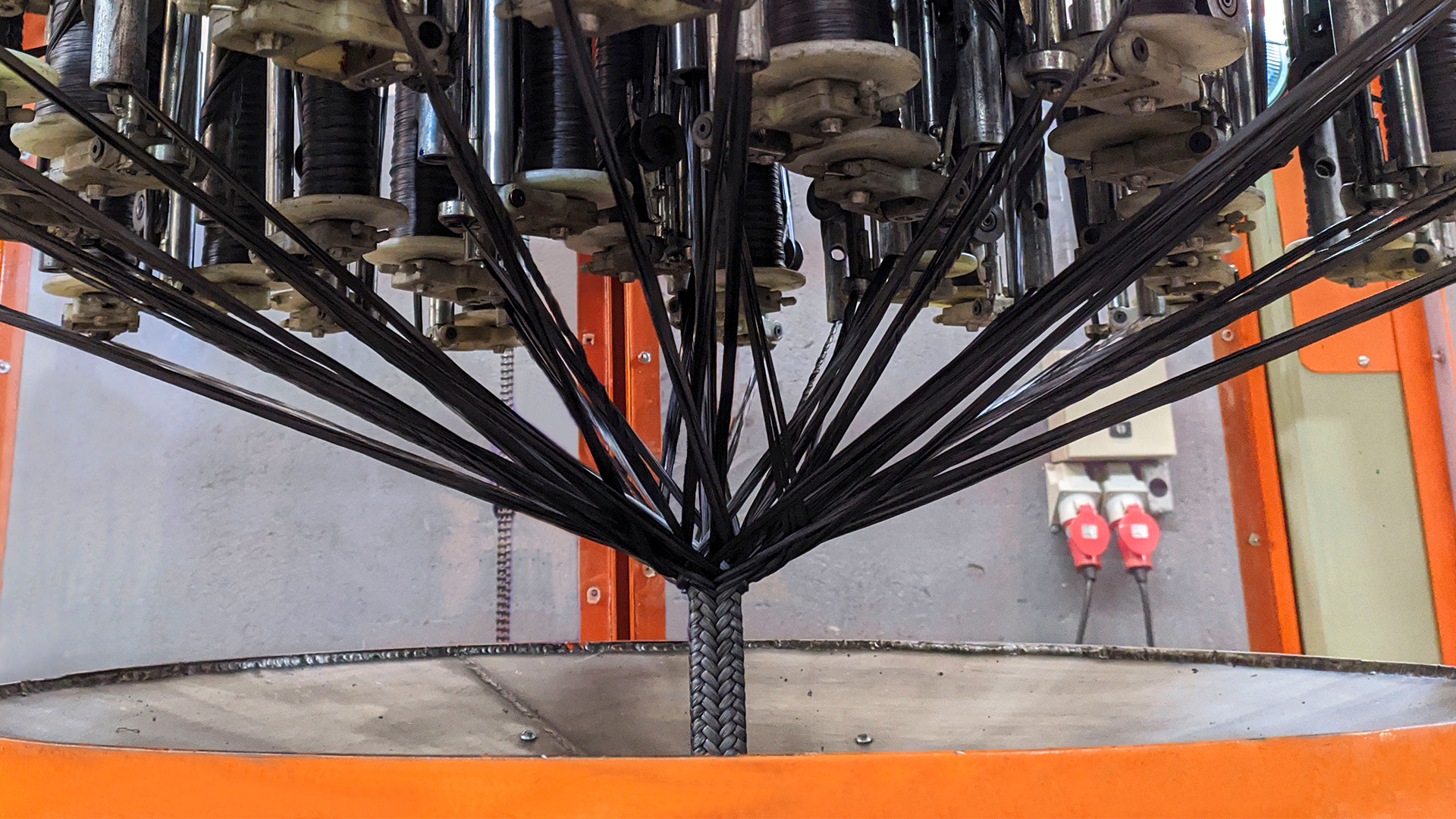
Gaskets → Made from different types of yarn and with various ways of interlacing, the gaskets are sealing materials used in hydraulic and pneumatic systems. They are applied to axial elements such as cylinders, pistons and axles in general.
The most used gasket models in the industry are:
- KL-1057: PTFE gasket with incorporated graphite. Ideal for all branches of industry in which the fluid be free of abrasives
- KL-5777: made from phenolic fiber and lubricated with PTFE, This seal model combines high mechanical resistance with high lubricant retention. It has high performance in rotating applications where flexibility and a high degree of performance are required. Due to its low coefficient of friction, this gasket offers significant improvements in rotating applications, minimizing any wear on your shaft or sleeves.
- KL-8000: ideal for a wide variety of media, including steam, oils, grease and various acids and alkalis, except where there is the presence of strong and abrasive oxidizing agents. Braided from expanded graphite, this gasket It is self-lubricating and chemically inert, in addition to being soft and compressible.
How to choose the appropriate material
Some aspects must be considered when selecting the most suitable material for your fence.:
Type of equipment → To know which type of material should be applied, It is necessary to identify the equipment, then each has a sealing property suited to its application.
Fluid → Corrosion and other chemical reactions occur when there is no compatibility between the elements present in the system, Therefore, knowing which fluid will pass through the seal is an essential factor when choosing the material. For each type of fluid, whether liquid or gaseous, Is there a suitable type of seal.
Temperature → Paying attention to the temperature at which the fluid is operating is essential, since the material must support it. Its choice must match the thermal elevation of the fluid.
Pressure → The higher the fluid pressure, the greater the possibility of joint ejection. Therefore, it is essential that the application of the material takes into account the fluid pressure.
Flanged union → The gasket can have a long service life by checking the following items:
- Flange: in fragile flange applications (vitrified, with very thin wall, or fiberglass reinforced plastic), the torque limit that the element has must be considered.
- Screws / braces / prisoners, nuts and washers: in general, What guarantees a good seal are the gaskets and those responsible for maintaining compression of one flange against the other. That's why, It is important to regularly change these elements, as they are subject to great mechanical stress. Its material type and level are important in determining the torque with which the joint will be installed..
Main fence care
In addition to understanding the types of materials and seal functionality in the fluid control process, It is important to pay attention to some details to extract maximum efficiency from the seal applied..
Among them, stand out:
To find out more about these care, we suggest reading the article on this subject: